Our approach
How we work
A method unchanged since 2021: start from an agronomic question, validate it in the field, and only roll out what has held up for two seasons.
We never start from an available technology and look for a use for it. We start from a decision the farmer has to make this week — irrigate or wait, split the dose or not — and work back to the data able to answer it. Many attractive ideas do not survive that filter.
Four stages: agronomic framing with the farmer, a prototype on a sample of fields, validation against field readings over two full seasons, then production release with a calibrated threshold. A model that has not been validated in the field does not leave the lab.
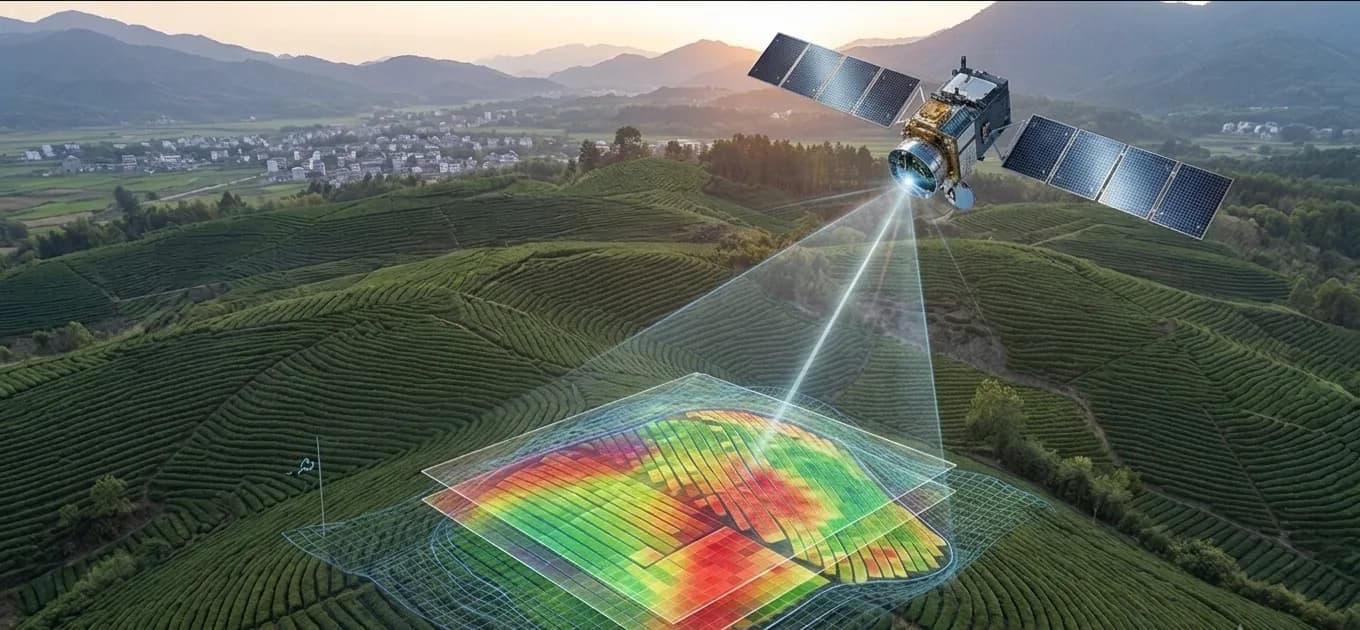
Remote sensing and multispectral image processing, machine learning on time series, low-power embedded electronics, and Mediterranean agronomy — olive growing, rain-fed field crops, citrus irrigated under saline constraint.
Our own contribution lies less in generic algorithms than in their local calibration: stress thresholds adapted to carbonate soils, indices corrected for row canopies, and models retrained each season with partner agronomists’ observations.
Why choose RoboCare
- 01
A team on site
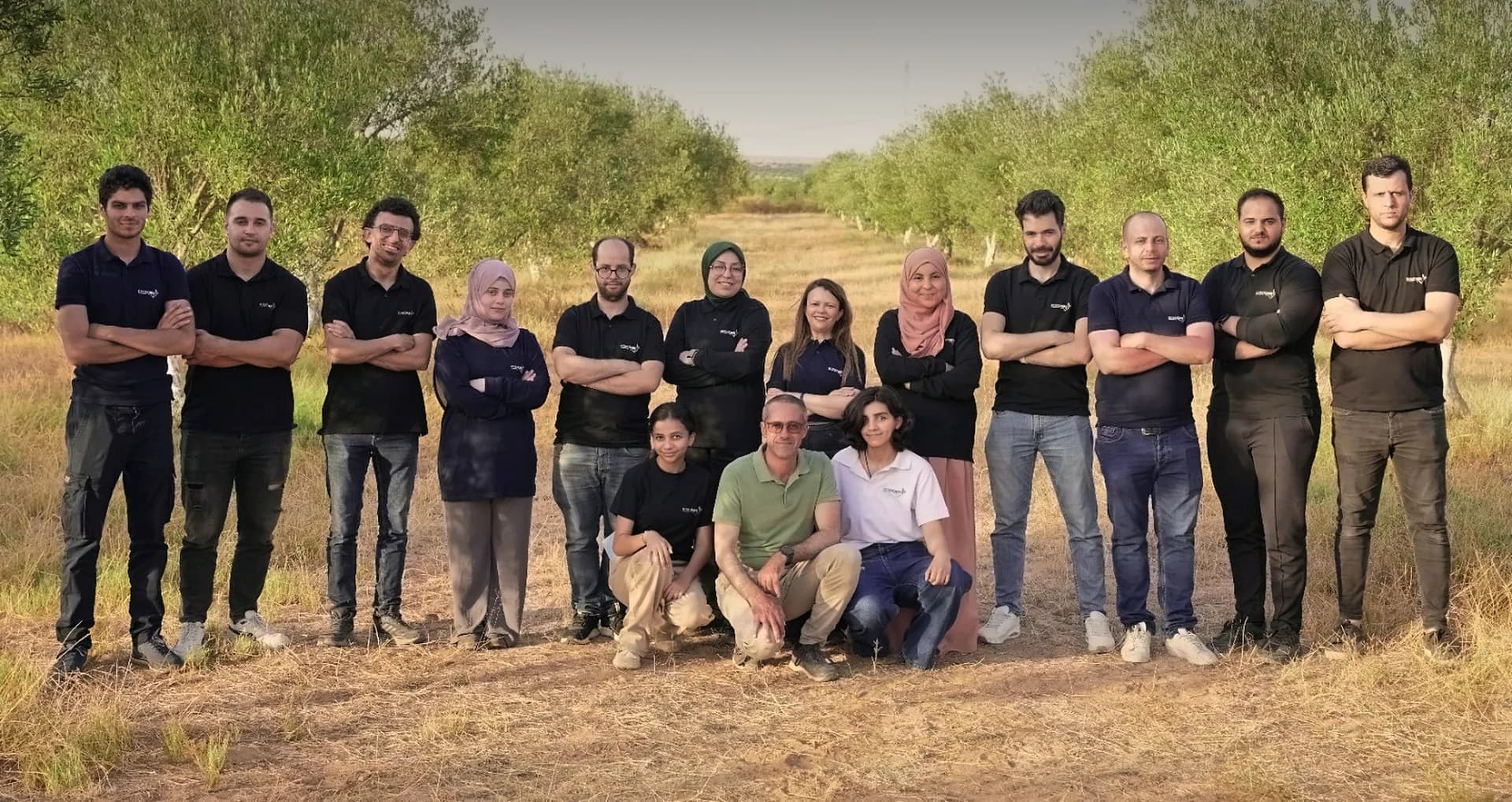
Based in Sfax, among the farms it monitors — not four flight hours from the nearest olive tree.
- 02
Agronomy decides
Every threshold in the platform was discussed with an agronomist before being coded, and corrected after validation in the field.
- 03
In your language
Interface, reports and alerts in French, English and Arabic, with no degraded version for any of the three.
- 04
No hardware lock-in
Satellite is enough to start. You only buy sensors if they bring your fields a proven benefit.
- 05
Verifiable results
Every figure we publish comes from an identified farm, compared with its own baseline before monitoring.
Our commitment
We commit to three things, and accept being judged on them: a reply to any request within 48 working hours; no resale and no sharing of your data with third parties, under any circumstances; and honesty about the limits of our models. When a prediction is uncertain, the platform says so. An alert presented as certain that turns out to be wrong costs far more, in trust, than ten acknowledged uncertainties.